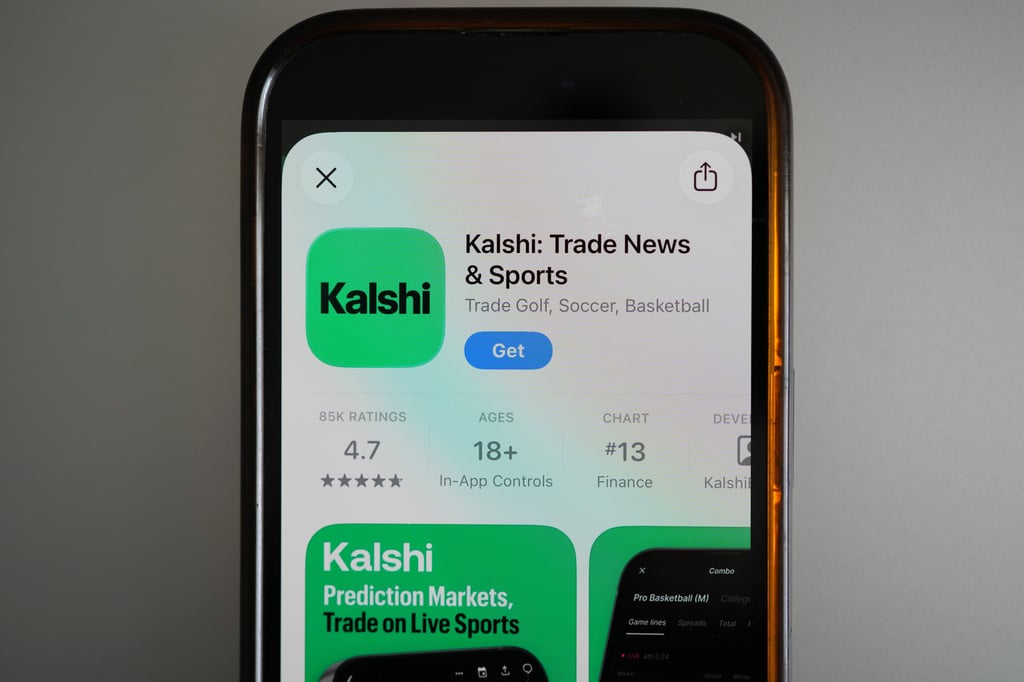
A judge in Michigan has made it the second state to order Kalshi to stop offering unlicensed sports wagers to its residents.
The Mitten State joins Nevada in winning a temporary pause against the prediction markets operator and its sports event contracts within the jurisdiction. Ingham County Circuit Court Judge Rosemarie Aquilina signed the order, the Michigan Gaming Control Board announced Tuesday.
The Michigan Attorney General’s Office secured the order on behalf of the MGCB. The order, which includes a ban on advertising and account creation in the state, was effective Monday and will last 14 days.
“Our gambling laws exist to protect Michiganders from unlicensed, predatory operations, and failing to comply with them carries serious legal consequences,” said Atty. Gen. Dana Nessel said in a release. “I am proud of the attorneys in my office who not only kept this case in state court but also secured an order protecting residents as this litigation moves forward. We remain committed to enforcing a level playing field for all gambling platforms in Michigan and ensuring that companies cannot evade accountability or exploit consumers under the guise of a prediction market.”
Nessel filed a lawsuit against Kalshi in March, alleging the company violates Michigan sports betting laws.
Kalshi latest to fall in Michigan
The Kalshi order is the latest effort from the MGCB to eliminate the unlicensed and unregulated online gambling industry in the state.
“Kalshi is targeting Michigan’s most vulnerable residents with sports betting dressed up as investing — and without intervention, the harm will keep getting worse,” MGCB Executive Director Henry Williams said in a release. “Our licensed sportsbooks follow strict rules designed to protect consumers — verifying that bettors are at least 21 years old, offering responsible-gaming tools, and protecting patron funds.
“Kalshi has refused to play by the same rules, and our agency will continue to use every regulatory and legal tool available to make sure Michigan families, our schools, and our first responders are protected from this unchecked exploitation.”
Michigan has been one of the most active states in working to eliminate unlicensed and unregulated online gambling operators. The MGCB has sent more than 60 cease-and-desist letters to offshore operators since 2024.
In 2023, Williams led a group of regulators asking for help from the federal government to fight the illegal market. Last year, the MGCB also was among the states to warn sports betting licensees to be wary of entering the prediction market industry. That was after the agency opened an investigation into sports prediction markets.
Prediction markets lawsuits in Michigan
Along with Kalshi, Michigan is also in court against Polymarket and Robinhood, which filed lawsuits against the state earlier this year.
Earlier this month, U.S. District Judge Paul Maloney denied preliminary injunctions for Polymarket and Robinhood. The companies hoped to stop the state from enforcing the state’s gambling laws on their products.
“The MGCB exists to ensure fair and honest gaming for the people of the state, and that mission does not stop at the border of a company’s marketing materials,” Williams said. “Whether Kalshi calls its product an ‘event contract’ or a ‘trade,’ it’s a sports wager being offered to Michigan residents without a license and without the consumer protections our state requires.”
Regulatory battle over prediction markets
Michigan is just one of the fronts in a nationwide battle over the regulatory jurisdiction of prediction markets.
In Nevada, gambling regulators are fighting to hold Kalshi accountable for what it says are violations of the preliminary injunction. The Nevada Gaming Control Board says Kalshi blocked Nevada users through methods other than geolocation, which has allowed board to skirt the prohibitions and trade sports contracts while located in the state.
There are more than 20 lawsuits ongoing between state regulators and tribal organizations against prediction markets and the Commodity Futures Trading Commission.
The CFTC and the operators argue the federal government oversees the products as they qualify as legitimate financial tools.
The states and tribes, however, argue the sports event contracts are sports betting and violate the state-by-state gambling regulatory framework. Many industry sources believe the legal battle will reach the U.S. Supreme Court.