Along with a reported NC sports betting tax hike agreement, North Carolina lawmakers have also included a new provision that expands education funding to include the University of North Carolina and North Carolina State University.
The provision is similar to language included in a Senate-passed NC sports betting tax hike last year that failed to clear the House. WRAL’s Brian Murphy first reported the new dispersal agreement this week.
The move comes as legislators finalize the state’s fiscal year 2027 budget, with the tax rate increase still pending final approval before it takes effect. The operator tax is set to rise to 23% from 18% as of July 1 if the final bill is signed.
It would be the second change to the NC sports betting rules after a bill passed last week to require sportsbook operators to report bettors who win $2,000 or more annually.
New funding for UNC and NC State
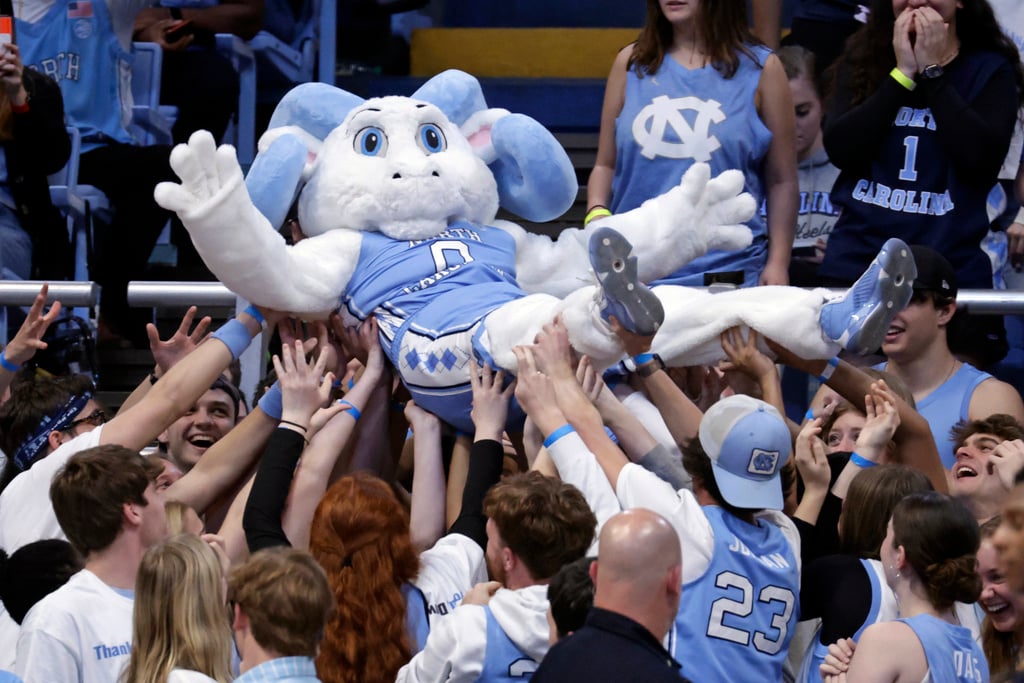
Under the reported budget agreement, lawmakers expanded the education funding allocation from sports betting tax revenue to include the UNC and NC State. The two flagship schools were not were not previously part of the distribution framework that went to 13 other universities in the system.
The expanded funding was a major point of the Senate’s 2025 budget proposal that attempted to raise the sports betting tax but did not pass.
Under the initial sports betting law, the 13 UNC system schools have received $3.9 million. In the reported change, UNC and NC State and other Football Bowl Subdivision schools Appalachian State, Charlotte and East Carolina could receive up to $5.8 million annually.
North Carolina wants to tax prediction markets
The reported budget could also include a 6% tax on prediction markets. The state would levy the tax against operator’s net trading fee revenue.
Several other states have worked to pass tax rules on prediction markets, including Kentucky, resulting in lawsuits by both Kalshi and the Commodity Futures Trading Commission.
Tax rate increase still pending
The 23% operator tax rate is not yet finalized, but budget negotiators agreed to it in June.
The 23% rate remains pending as part of the budget framework before the July 1 fiscal year start, and it has not yet been formally passed into law. An increase was discussed during negotiations that at one point included proposals as high as 50%, with the final figure representing a compromise reached during the legislative process.
Sen. Jim Burgin, a Republican who initially pushed for a 50% rate, confirmed the 23% rate following budget negotiations. The tax rate increase is still pending final approval before the fiscal year start, and Gov. Josh Stein must sign the measure before it takes effect.