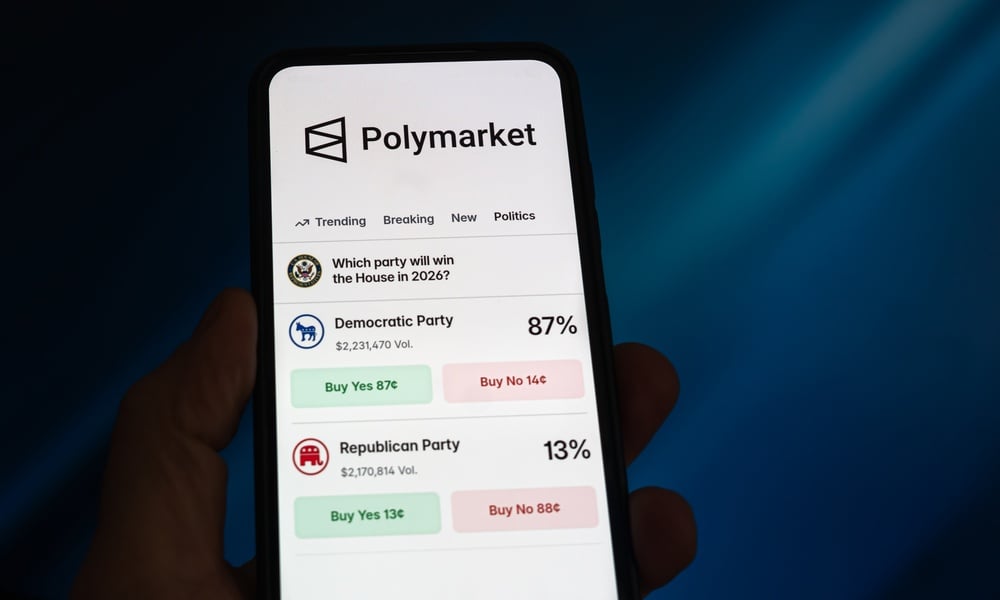
The Commodity Futures Trading Commission is conducting an investigation into Polymarket, according to media reports.
The reported investigation adds another layer of pressure on Polymarket just days after reports of deceptive marketing and questions about suspicious trading activity.
The probe is not yet an enforcement action, but it marks a significant escalation for a platform that has been under fire from lawmakers, regulators and critics over both how it markets its product and how it handles potential abuse on its markets.
CNBC and the New York Times separately reported that the CFTC is examining Polymarket in connection with a broader federal review.
What Polymarket probe may cover
The CFTC reportedly has an ongoing, extensive investigation into Polymarket. Polymarket previously told media it is conducting a comprehensive audit of its promotional content to ensure compliance with standards and disclosure requirements.
The investigation comes right after a separate Wall Street Journal report that Polymarket had run a misleading marketing campaign using content creators who appeared to be winning on the platform.
WSJ reporting said Polymarket paid creators to post fake betting videos that made it look as if they were making real trades and cashing out wins, when in fact the wagers were staged or not funded at all. The story also alleged the company used misleading social media tactics to push its brand, raising questions about false advertising and possible disclosure failures.
Washington response to false marketing claims
That report appears to have put the platform squarely on the CFTC’s radar, especially following calls from lawmakers for an investigation.
That report quickly triggered political fallout. The WSJ reported last week that Sens. John Curtis and Adam Schiff sent a letter to CFTC Chairman Michael Selig asking whether the agency was investigating and whether the conduct described violated federal law or CFTC rules.
The senators called the allegations “deeply troubling” and said they warranted immediate scrutiny.
Congress already had eyes on Polymarket
The CFTC probe lands against a backdrop of already active congressional interest in prediction markets. House Oversight Chairman James Comer opened an investigation in May into insider trading on Kalshi and Polymarket, asking for documents on identity verification, geographic restrictions and suspicious trading activity.
Comer said the committee was examining whether users were leveraging nonpublic information to trade on prediction markets and whether the platforms were doing enough to stop it. His inquiry followed reports of suspiciously timed bets around military events, political outcomes and other sensitive developments.
Polymarket is now facing scrutiny not just over what it permits on the market, but how it markets itself and whether its internal controls are strong enough to police abuse.
Why it matters
While the CFTC is arguing for its exclusive jurisdiction over prediction markets, the probe suggests the agency is no longer just debating how prediction markets should be regulated. It is now actively testing whether one of the biggest platforms in the space is already crossing lines.
Polymarket and Kalshi have become the main reference points for what prediction markets can scale into. If the CFTC starts treating deceptive promotion or weak surveillance as a serious enforcement problem, it could shape how every operator in the space markets, lists contracts and monitors traders.
It also raises the stakes in the ongoing fight over whether prediction markets are legitimate financial products, gambling products or something in between. The more they look like a consumer-facing betting app with viral marketing and insider-trading risks, the harder it becomes for regulators to treat them like a simple derivatives market.
Bigger prediction markets regulatory backdrop
The probe follows a year of increasing pressure on prediction markets from lawmakers, state attorneys general and federal regulators.
The Senate has already held hearings on how to regulate prediction markets, and the House has been exploring restrictions on lawmakers’ use of the products.
At the same time, states have sued Kalshi and other platforms over jurisdiction, while the CFTC has pushed to defend its exclusive authority over event contracts.