Kalshi announced a funding round that values the prediction-market platform at more than $5 billion.
That’s about six times what it was worth a year ago, before it scaled monthly trading volume from roughly $20 million to $1 billion on the back of sports prediction markets, sparking multiple state lawsuits.
The $300 million Series D round, led by Andreessen Horowitz and Sequoia Capital, was disclosed publicly Friday after closing in August. It comes just four months after a previous raise valued Kalshi at $2 billion, underscoring the pace at which the company, and prediction markets, are expanding.
Sports prediction markets transform Kalshi
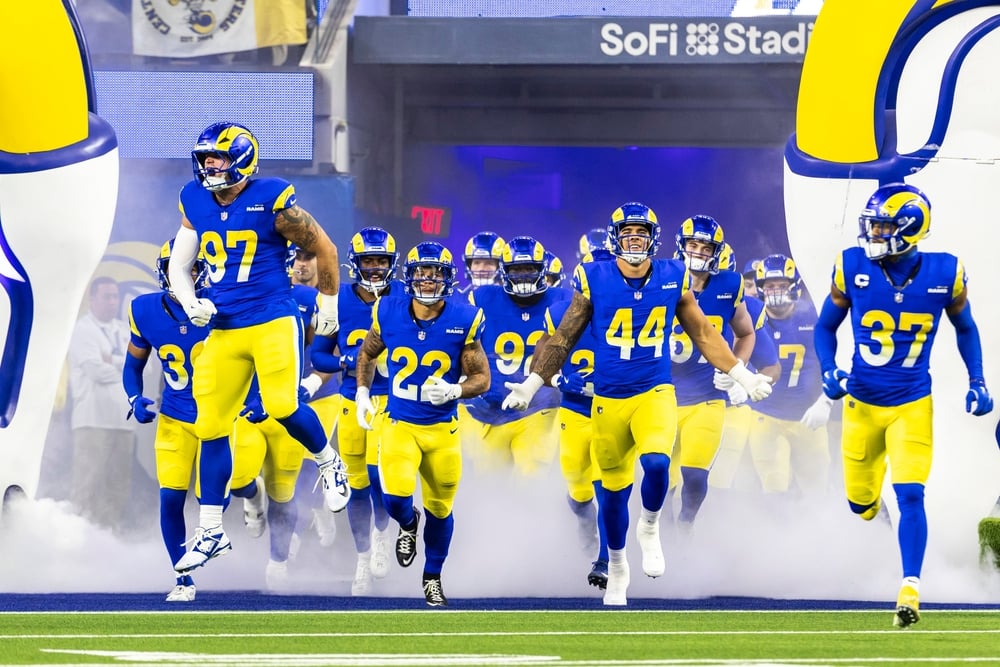
Founded in 2019, Kalshi built its business around contracts tied to political, economic, and cultural events. But the company’s trajectory shifted dramatically in January when it entered sports trading, first with contracts on the Super Bowl.
This week’s Thursday Night Football game between the Philadelphia Eagles and New York Giants generated more than $45 million in trading volume on the spread alone, with another $9.3 million tied up in player props and parlays. Kalshi says sports markets account for roughly 70–80% of total trading volume and have surpassed $2 billion in trades just this year.
The company says its overall volume has grown 100 times since last October, while its user base has expanded 50×. Kalshi now lists around 1,500 markets, up from just 100 a year ago, and plans to reach 4,500 by the end of 2025.
How Kalshi will use the money
Kalshi is using the fresh capital to make event trading “a mainstream part of global finance”.
Its platform is now available in more than 140 countries, creating what it calls the world’s first unified global liquidity pool for prediction markets. Unlike competitors with regionally siloed platforms, Kalshi says its global exchange connects traders everywhere to the same events, prices, and order books, deepening liquidity and improving universal price discovery.
“Events don’t stop at borders,” the company wrote in announcing the expansion. “And now, neither does trading on them.”
The investment will also support Kalshi’s rollout of additional markets, including more complex contracts and expanded categories, as well as procure more brokerage partnerships like the one it has with Robinhood.
Regulatory tensions linger
The rapid rise of sports prediction markets have sparked mounting resistance from regulators and lawmakers across the country. At least seven states, including Nevada, New Jersey, Maryland, and Massachusetts, have issued cease-and-desist orders or filed lawsuits accusing the company of running an unlicensed sports betting operation. Kalshi maintains its contracts are federally regulated commodities under the CFTC’s jurisdiction, not gambling products, and has secured temporary injunctions in several jurisdictions to keep operating while those challenges play out.
Gaming regulators in Ohio, Michigan, and Arizona have warned sportsbooks that partnerships with Kalshi could jeopardize their own betting licenses. Kalshi responded by suing the Ohio Casino Control Commission in federal court.
In Pennsylvania, regulators have urged Congress to reaffirm state authority over sports wagering, while tribal groups in California and Wisconsin have filed lawsuits of their own citing sovereignty violations. Major sports leagues, including the NBA and MLB, have also called for federal regulators to step in, warning that Kalshi could eventually offer markets on categories banned in state-regulated sportsbooks, such as officiating decisions or player injuries.