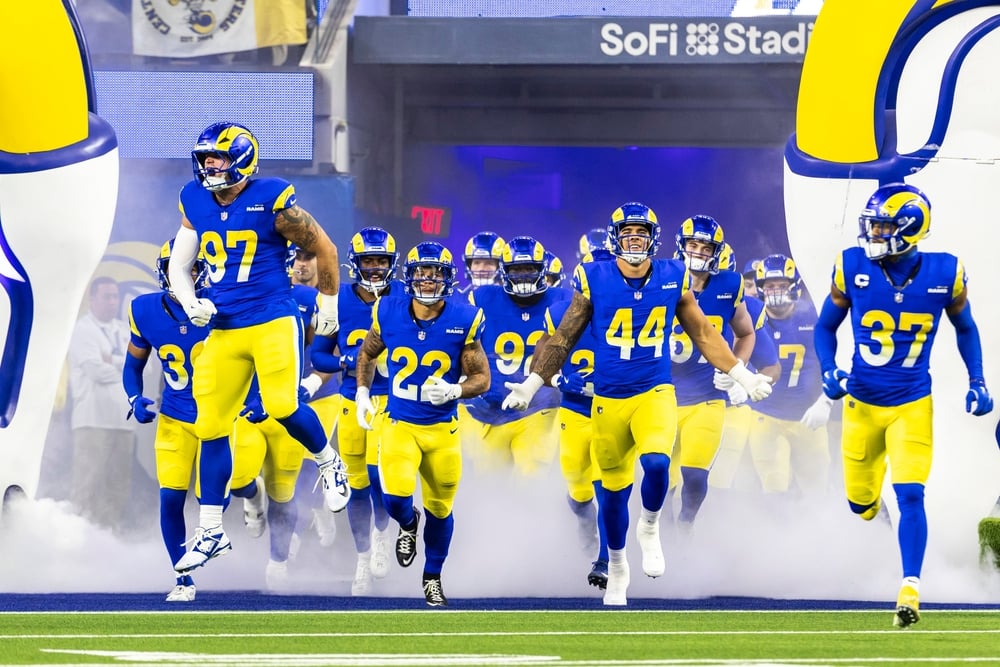
The NFL season kicked off Wednesday night with a Super Bowl rematch between the Seattle Seahawks and New England Patriots. The NFL betting advertising arms race is back for a rematch of its own.
Prediction markets are suddenly everywhere as football season gets underway, flooding TV, streaming and social media with all kinds of marketing campaigns. Novig enlisted Sydney Sweeney for a provocative ad, Betr reunited the stars of Entourage and Kalshi and Polymarket have rolled out celebrity-heavy campaigns of their own.
The blitz comes as prediction markets enter their first full football season at scale, spending hundreds of millions of dollars in a push for customers reminiscent of the sportsbook advertising boom of the early 2020s.
The competition arrives during a critical NFL season for the two sportsbook giants. FanDuel plans to flood the market with promotions, a strategy expected to cost roughly $270 million in adjusted EBITDA this year. DraftKings, meanwhile, is focusing marketing to California, Texas and among other states where sports betting is illegal, and even running attack ads against Kalshi.
Prediction markets flood NFL betting ads
Anyone getting déjà vu from the advertising blitz has good reason.
DraftKings, FanDuel and the rest spent heavily on customer acquisition during the early years of state sports betting expansion. The pace eventually cooled as the industry matured, operators focused more on profitability and states tightened advertising rules.
Digital sportsbook ad impressions fell nearly 14% in 2025, according to Sensor Tower data. Prediction markets have since reset the cycle.
Prediction market companies spent nearly $200 million on digital advertising through the first seven months of 2026, according to the American Gaming Association, which represents the regulated casino and sportsbook industry.
New advertising sparks backlash
Prediction markets are regulated federally, leaving them outside many of the state rules governing sportsbook promotions and responsible gambling messaging. The AGA estimates more than half of digital sports betting ads seen through July came from companies that weren’t subject to those requirements.
Novig’s campaign features Sweeney wearing nothing but strategically placed sports equipment while making jokes about “balls.” She also takes aim at rival prediction markets, telling viewers Novig offers “no betting on wars, or deaths, and no politics.” A separate spot promotes responsible play, messaging Novig isn’t required to include under federal regulation.
Polymarket has faced criticism for enlisting LeBron James, an active NBA player, to promote a platform that offers sports contracts. Its NFL betting campaign also features Eli Manning, Derek Jeter, Sue Bird, Spike Lee and other celebrities. The NBA does not prohibit players from partnering with prediction markets and is reportedly in talks for its own deal, according to Front Office Sports.
Meanwhile, Entourage creator Doug Ellin blasted Betr’s ad as “trash and theft” after the company released a spot this week promoting its Polymarket-powered product.
Sportsbooks fight for NFL betting customers
Prediction markets are adding competition for new bettors and driving up acquisition costs, pressuring the customer funnel sportsbooks rely on to offset natural churn.
BetMGM CEO Adam Greenblatt said as much earlier this year, when he told investors prediction markets were soaking up marketing dollars across channels, raising acquisition costs and lengthening payback periods.
The pressure is particularly acute during football season, when sportsbooks spend most aggressively to attract new customers.
“If we’re in inning one, as we saw in sports betting, first mover advantage is big, so these companies are going to move as quick as they can to go acquire and build out as fast as they can,” said Citizens analyst Jordan Bender.
How long does NFL betting ad war last?
Sportsbooks retain one advantage with the NFL. The league renewed multiyear partnerships with DraftKings and FanDuel ahead of the season and added Fanatics as its third official sportsbook partner. It has yet to sign a prediction market partner.
How long the spending continues may depend on the courts. Last week, New Jersey asked the Supreme Court to decide whether states can regulate sports prediction markets as gambling, following conflicting federal appeals court rulings in New Jersey and Nevada. Similar litigation involving Kalshi, Polymarket, Robinhood and others now spans roughly 20 states, with the outcome threatening to reshape the industry.
“If we don’t get a Supreme Court ruling and there’s no kind of line of sight to that as the year progresses, do these companies continue to irrationally spend?” Bender said.