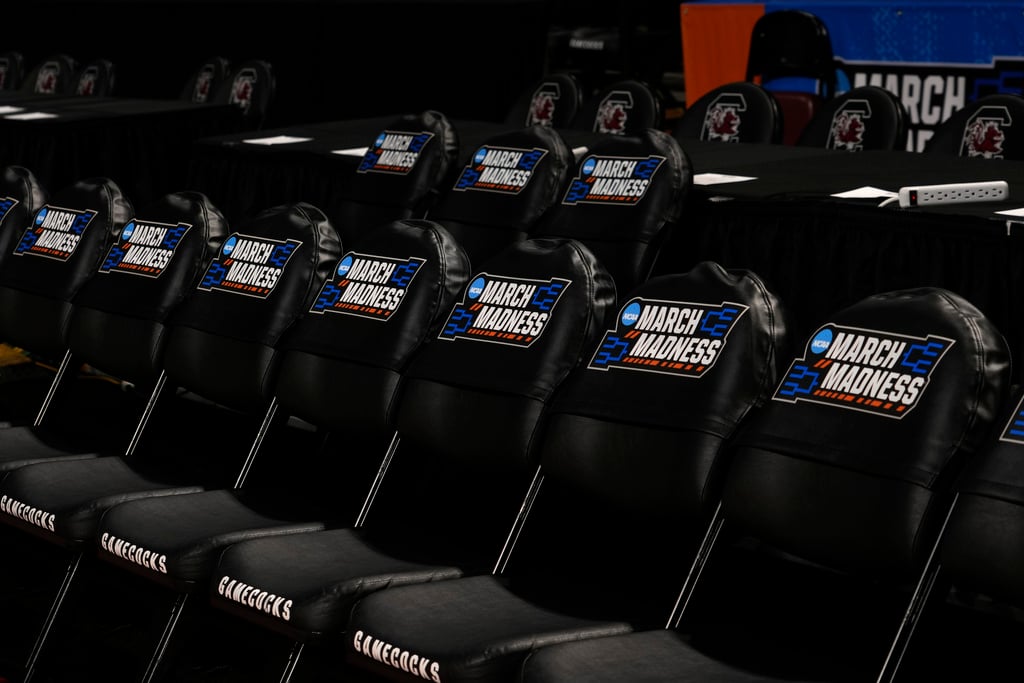
The NCAA is mandating its first player-availability reports for the 2026 Division I men’s and women’s basketball tournaments in the wake of national betting scandals.
The NCAA announced Thursday teams will be required to submit reports the night before competition and again two hours before tipoff, with players assumed available unless designated as “questionable” or “out.” The reports will apply to all March Madness games and be made public. Schools that fail to comply or submit inaccurate information could face penalties determined by the basketball committees, the NCAA said.
The initiative, the NCAA says, is aimed at protecting student-athletes from harassment, especially related to sports betting, and preserving game integrity as college athletics faces mounting pressure to match the transparency standards of professional sports. HD Intelligence, which already handles similar duties for several conferences, will oversee the system.
“Implementing player availability reporting is a major step to increasing student-athlete protections by alleviating pressures for the enhancement of their college experience,” NCAA President Charlie Baker said in the announcement.
Betting integrity push amid pro scandals
The decision follows high-profile betting scandals that rocked the NBA last week involving inside player health information, which have triggered broader scrutiny of how leagues safeguard sensitive data tied to betting markets.
Those cases centered on player prop bets, the same category of wagers Baker has urged states to prohibit in college sports, warning they present “unique pressures and dangerous incentives” for student-athletes.
The NCAA earlier this week also paused implementation of a rule that would allow college athletes and athletics-department staff to bet on professional sports, following backlash from SEC Commissioner Greg Sankey, who said it sent the wrong message at the wrong time.
NCAA catching up to pro standards
The move brings college basketball closer in line with professional leagues such as the NFL and NBA, which have long relied on mandatory injury reports to reduce opportunities for inside information to circulate. It also builds on similar efforts within college sports. Both the SEC and Big Ten introduced mandatory availability reports for football last season, marking the NCAA’s first steps toward standardized disclosure policies across conferences.
College basketball has a long history of betting-related misconduct. From mid-century point-shaving schemes to recent violations at Fresno State, Temple and San José State, the sport has often been a target for gambling impropriety. At least six schools and 13 athletes are currently under NCAA investigation for potential violations that have been linked to the same group implicated in the NBA probe.
The NCAA said it will review whether to expand player-availability reporting to future March Madness events and or additional tournaments following this year’s “pilot program.”