A group of six Democratic senators is urging federal regulators to formally prohibit prediction markets from offering contracts tied to death or physical harm.
In a letter sent Monday to Commodity Futures Trading Commission chairman Michael Selig, lawmakers asked the agency to make clear that prediction market contracts resolving on an individual’s death are off limits under federal commodities law.
“These contracts present dangerous national security risks, including creating incentives to incite violence, foment geopolitical conflicts, and disclose classified information,” the letter reads.
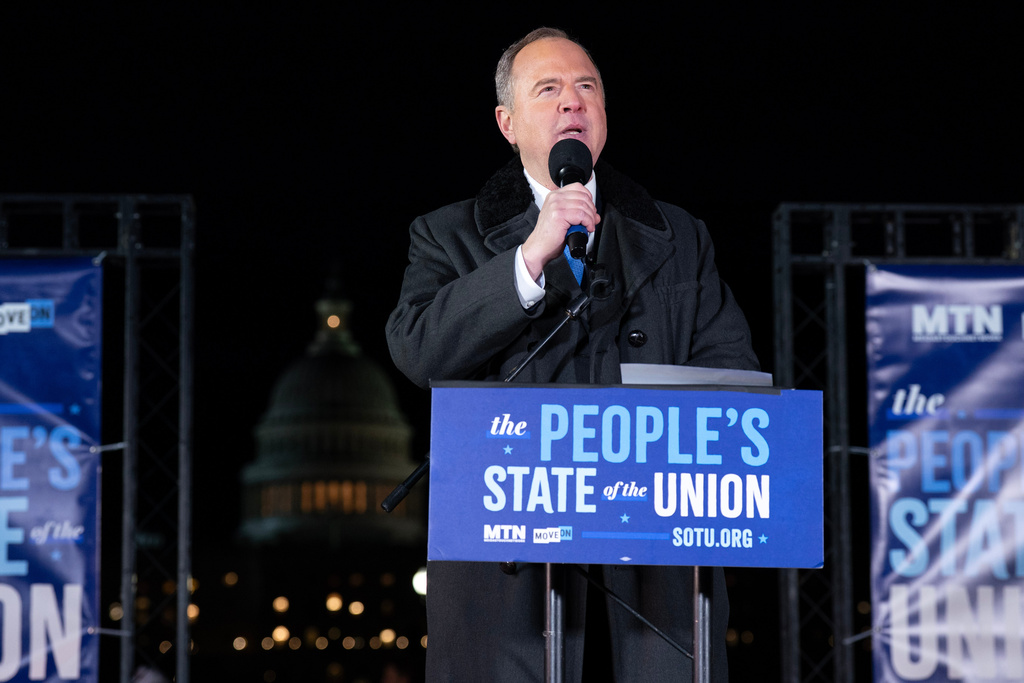
Adam Schiff led the letter alongside Sens. Richard Blumenthal, Cory Booker, Tim Kaine, Catherine Cortez Masto and Jacky Rosen.
Lawmakers cite recent controversies
The letter points to several event contracts listed on Polymarket that lawmakers say illustrate the risks.
Among them:
- A market tied to the potential failure of NASA’s Artemis II launch
- Contracts on the political fate of Venezuelan president Nicolás Maduro
- War-linked territorial outcome markets tied to the Russia-Ukraine conflict
Senators argued the contracts blur the line between forecasting and financial exposure to human suffering or geopolitical violence.
They also raised insider trading concerns, citing reporting that a trader generated outsized profits after wagering on Maduro’s removal shortly before U.S. military action led to his capture.
Request for regulatory clarity on prediction markets
Federal commodities law already prohibits event contracts tied to terrorism, assassination, or war under public interest standards embedded in the Commodity Exchange Act.
Lawmakers asked the CFTC to specifically clarify whether death-linked markets fall under those same prohibitions and whether the cited contracts violated existing rules. They requested a formal response by March 9.
Broader tensions on prediction markets
The request lands as prediction markets expand rapidly in both volume and scope.
Platforms like Kalshi have driven a surge in event contract trading, with sports markets now accounting for the overwhelming majority of activity on CFTC-licensed exchanges. At the same time, federal and state officials remain divided over oversight and permissible market categories as litigation unfolds nationwide.
In January, Selig said the agency would reassess its role in active litigation involving prediction platforms and defend the commission’s exclusive jurisdiction over event contracts. The CFTC soon after filed an appellate brief backing that position, arguing states lack authority to restrict federally regulated derivatives markets.
Separately, he directed staff to withdraw a prior 2024 rule proposal that would have limited event contracts tied to sports and political outcomes.