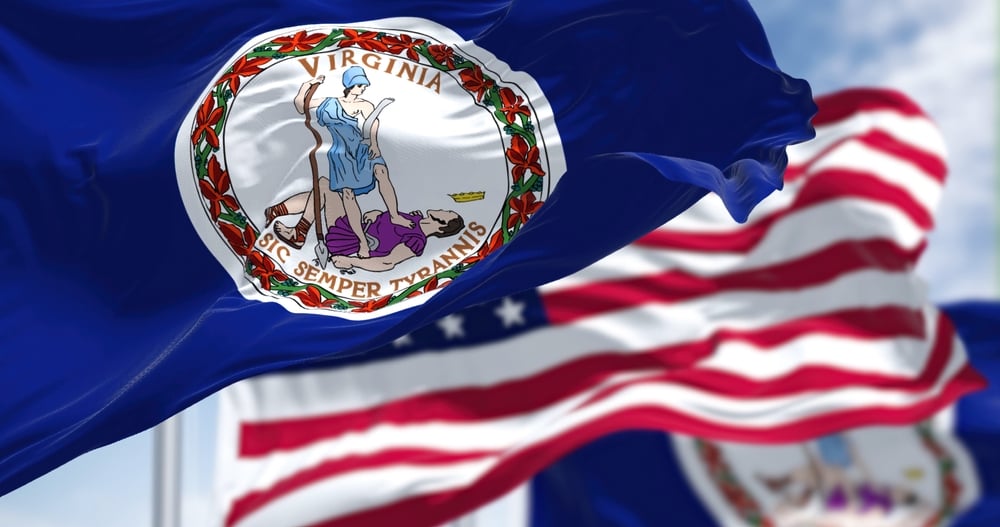
Virginia sports betting operators are making noise in Richmond as the commonwealth prepares for another gambling expansion debate in 2027.
The Sports Betting Alliance hosted a responsible gaming roundtable Wednesday with lawmakers, public health experts and representatives from several of the largest VA sports betting operators. The SBA is the main lobbying arm for bet365, BetMGM, DraftKings, Fanatics and FanDuel.
“Responsible gaming is not a regulatory obligation to us; it’s the foundation of a sustainable, durable legal market,” SBA President Joe Maloney said according to the Virginia Mercury. “Getting this right takes more than one company working on its own.”
Virginia lawmakers considered legislation earlier this year that would have allowed the state’s licensed casinos to offer online casino games, but the House and Senate failed to reach an agreement before adjournment. The issue, and the SBA’s support to legalize Virginia online casinos, is expected to return in 2027.
Virginia sports betting safeguards
Virginia legalized sports betting in 2020 and launched online wagering a year later. The state has 11 approved sports betting permit holders, and bettors wagered more than $589 million in June, according to the Virginia Lottery.
Maloney said legal sports betting has generated more than $400 million in state tax revenue since launch. He said more than half of online sports bettors use at least one responsible gaming tool.
Licensed operators verify customers’ ages and locations and offer tools that allow them to limit deposits and time spent gambling or exclude themselves from betting. Roundtable participants also discussed using customer data to identify potentially risky behavior and intervene.
“We do a lot of work to drive awareness of not just what it means to play responsibly, but also the risks associated with problem gambling,” said Cameron Zuckert, FanDuel’s senior manager of responsible gaming partnerships and programs. “You don’t want to shy away from that topic. It’s a very real topic.”
Problem gambling study
Research shows the risks can be particularly significant for younger bettors. The National Council on Problem Gambling’s 2024 national survey found 8% of U.S. adults frequently experienced at least one indicator of problematic gambling. That increased to 17% among traditional sports bettors, with adults ages 18 to 34 facing substantially greater risk than older Americans.
Keith Whyte, former NCPG executive director and founder of Safer Gambling Strategies, argued gambling education should reach young people before advertising and celebrity endorsements begin shaping their views of betting. He also encouraged bettors to routinely use spending and time limits as a preventative measure.
“You can’t expand gambling without risk, without additional casualties,” Whyte said.
Treatment another part of discussion
Virginia directs portions of sports betting and casino tax revenue to its Problem Gambling Treatment and Support Fund. The state has also built a network offering treatment, peer-recovery support, support groups and financial counseling, according to Carolyn Hawley, director of the Virginia Partnership for Gaming and Health at Virginia Commonwealth University.
Hawley said addressing gambling addiction requires coordination among regulators, operators and public health officials, particularly as betting companies collect more data that could help identify customers at risk. Finding qualified clinicians remains a challenge.
Operators argued that preventing problem gambling is also important to maintaining a sustainable legal market.
“We want a long-term, sustainable business, and we can’t do that if customers are on our platform playing irresponsibly, not getting the help they need and then never play again,” said Anthony D’Angelo, head of responsible gaming at Fanatics.