The pitch to legalize online casinos in Virginia will start fresh next year.
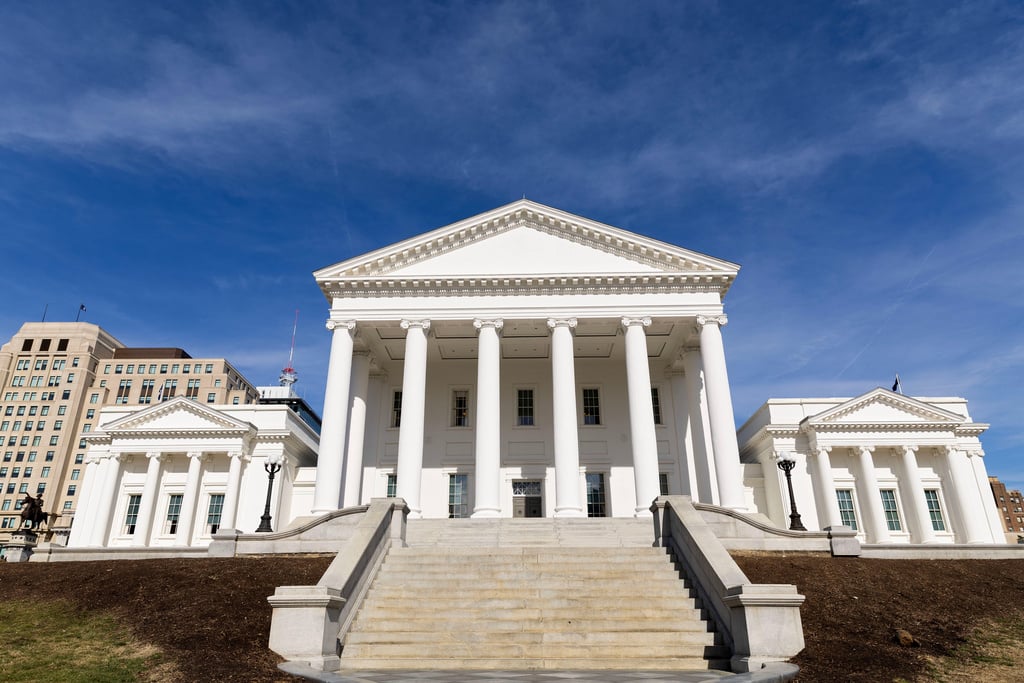
Virginia’s 2026 legislative session came to a close Saturday without a compromise out of the conference committee handling the bills. Not passing the bill this year does not delay the market since both online casino bills had a reenactment clause requiring another vote in 2027.
The House and the Senate insisted on their versions of the iGaming bills. Despite agreeing on most of the big issues, the committee never came to an agreement. Neither SB 118 sponsor Sen. Mamie Locke or HB 161 sponsor Del. Marcus Simon responded to requests for comment.
The legislation to create the Virginia Gaming Commission also failed to pass, as did language that would ban sweepstakes casinos.
Differences in online casino bills
The online casino bills differed a few places in language but had the same idea. While SB 118 sent 89% of tax revenue to the general fund, HB 161 sent 95% of taxes to the Modern Public Education Fund it creates.
Those taxes would have been paid from a 20% tax on adjusted gross revenue. Each bill also had an additional 6% tax that would fund that would make payments to Virginia’s land-based casino operators if its business is cannibalized by online casinos.
The bills both called for local companies to also be eligible for online casino licenses, but had slightly different language.
The House bill included a clause about at least 25% of promotional revenue needing to be redeemable at the land-based casino partnered with the online casino.
Sweepstakes live another year
There were two chances for sweepstakes to be banned this year, but neither made it across the finish line.
Legislation filed specifically to ban sweepstakes casinos, SB 579, never made it out of the Senate and was continued until next year.
Both online casino bills also included language to ban sweepstakes. It was unclear if the ban would have also been delayed by the reenactment clause or if it could have been exempted.
Fantasy finally taxed
The one gaming bill that did pass was HB 145, which taxes fantasy sports operators at 10% and bans contests played against the house.
Fantasy platforms also need to pay a $50,000 license fee.
Gov. Abigail Spanberger has 30 days to sign, amend or veto bills passed by the legislature before the bill would become law without her signature.