Online sports betting is again colliding with college athletics, this time involving a high-profile quarterback and potential NCAA eligibility consequences.
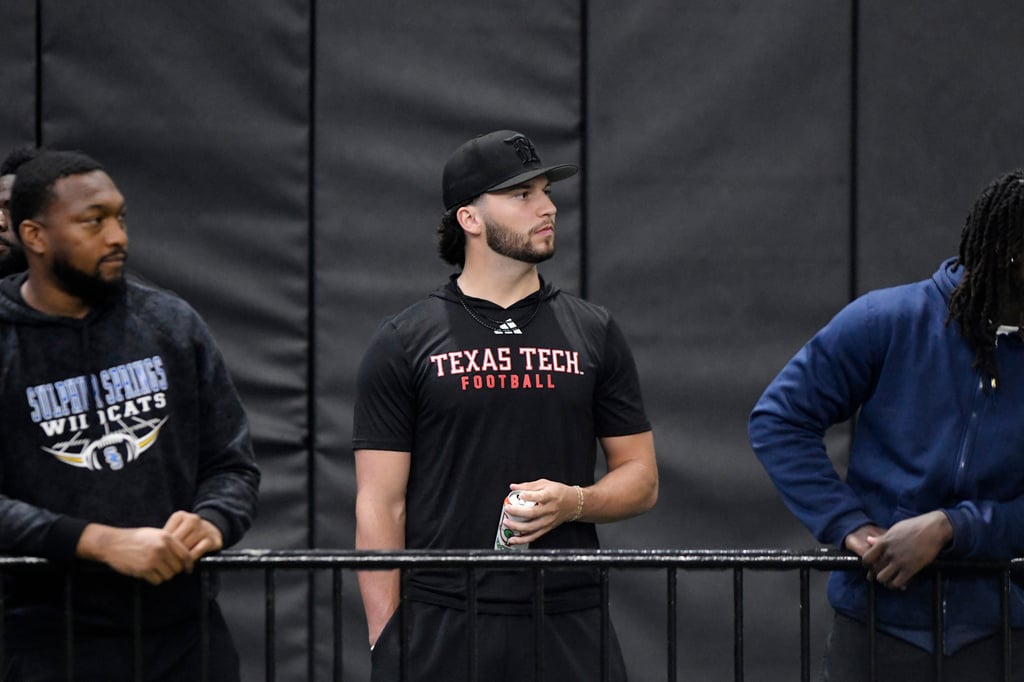
Texas Tech transfer quarterback Brendan Sorsby entered a residential treatment program for gambling addiction after placing thousands of online bets across multiple sports the school announced Monday. That came after an the NCAA opened a betting investigation into Sorsby and his gambling, which jeopardizes his eligibility, according to ESPN.
“The university is committed to supporting Brendan through his recovery process and to ensure his long-term health and well-being,” the school said in a statement.
Rules put eligibility at risk
NCAA policy bars athletes from wagering on any sport the organization sponsors at any level, as well as professional sports.
NCAA investigations have swept up dozens of athletes across multiple programs and sports in recent years, including former Iowa State quarterback Hunter Dekkers, who lost eligibility in 2023 after admitting to betting on his own team, and former Alabama baseball coach Brad Bohannon, who received a 15-year show-cause penalty that same year as part of a separate sports betting scandal.
Sorsby reportedly bet on own team
Sorsby reportedly bet on Indiana football during the 2022 season while redshirting as a freshman with the program. Those wagers were placed on Indiana to win and did not involve games in which Sorsby appeared, according to the report.
NCAA rules prohibit betting on one’s own team regardless of participation or outcome.
Increased NCAA betting oversight
The investigation comes as online sports betting becomes more widely available, including in states surrounding Texas, while prediction markets gain traction as an alternative in states where online sports betting remains illegal.
The NCAA had considered loosening a longstanding rule prohibiting athletes from betting on professional sports, but reversed course last year after the FBI announced multiple NBA gambling investigations.
The organization says its enforcement activity has increased as betting access expands and brings more violations to light. The NCAA has also urged federal regulators for tighter restrictions on prediction markets offering event contracts on its sports.