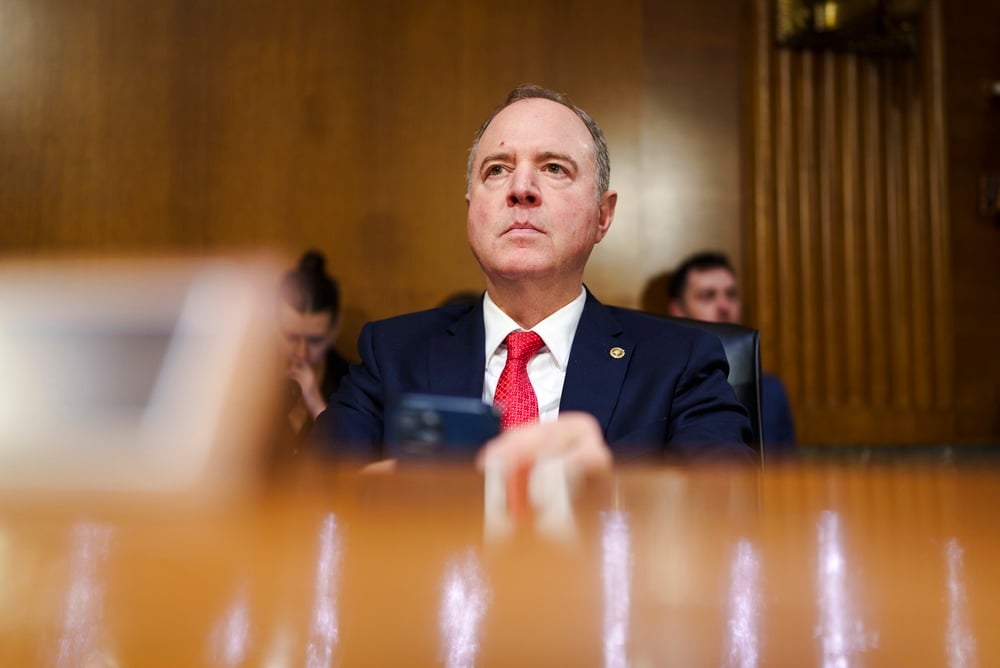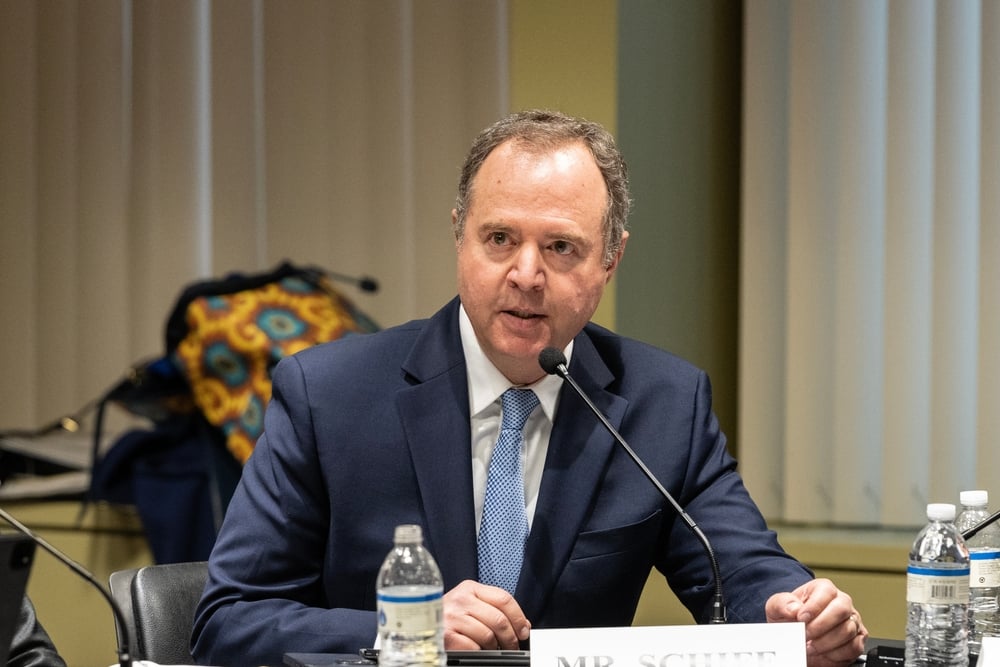
The U.S. Senate passed prediction market restrictions through bipartisan legislation Thursday that would prohibit contracts tied to war, terrorism, assassination and death, marking the first congressional approval of a bill restricting the industry.
The DEATH BETS Act, sponsored by Sens. Adam Schiff (D-CA) and John Curtis (R-UT), passed by voice vote. It would bar exchanges and clearinghouses registered with the Commodity Futures Trading Commission from listing or processing contracts referencing those events, including US military operations.
The bill now heads to the House, which must approve it before the current Congress adjourns in January.
The vote comes two weeks after Democrats won control of Congress in the midterm elections, with lawmakers increasingly scrutinizing the prediction market industry’s expansion into sports betting under President Donald Trump.
Senate targets death, war prediction markets
The legislation follows controversy over trades tied to military operations and political violence.
One trader made more than $400,000 on Polymarket’s international platform betting on the removal of Venezuelan President Nicolás Maduro before U.S. forces captured him in January.
Kalshi also faced criticism over a contract on whether Iranian Supreme Leader Ali Khamenei would leave office. His death sparked a settlement dispute because the exchange’s rules excluded death as a qualifying outcome.
“These markets are operating in a wild West, desperately in need of regulation and guardrails,” Schiff said Thursday on the Senate floor.
The bill would also prohibit contracts whose outcomes are reasonably expected to depend primarily on an individual’s death, even without explicitly referencing it.
Sports prediction market fight continues
The legislation does not directly restrict sports contracts, which account for much of the trading on Kalshi and other federally regulated prediction markets.
An amendment adopted before passage explicitly states that the bill does not change existing law governing other event contracts, including gambling, or resolve ongoing litigation over federal and state regulatory authority.
The CFTC, led by sole commissioner Michael Selig, has sued states seeking to enforce gambling laws against prediction market operators. Schiff, at a nomination hearing for two more CFTC commissioners, called Selig out for either lying or having “some kind of epiphany” after saying at his nomination hearing he would let sports event contracts play out in the courts.
Federal appeals courts have so far reached conflicting conclusions about the agency’s authority over sports contracts.
Earlier this week, nine Democratic senators, including Schiff, urged the CFTC to withdraw its directive requiring exchanges to remove certain geographic restrictions. Republican Sen. Ted Cruz is separately preparing legislation requiring state or tribal authorization for gambling-related contracts.