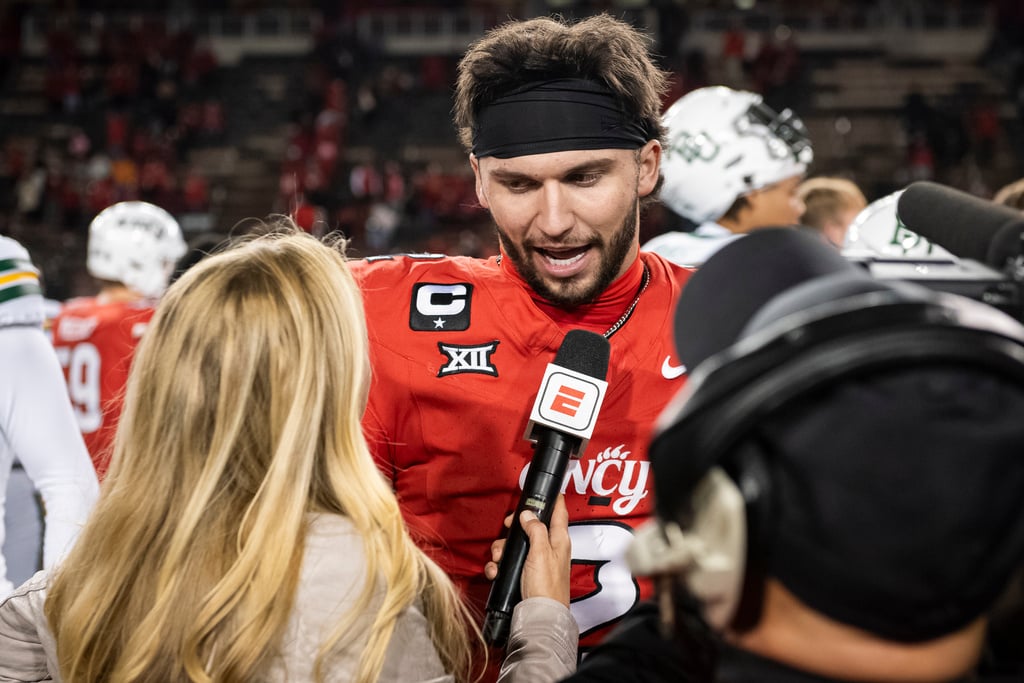
Brandon Sorsby, the Texas Tech transfer QB that acknowledged he bet on his own team while at Indiana, won a temporary injunction to play this upcoming season.
The NCAA had previously ruled Sorsby ineligible for the season due to his betting on college football and could appeal to a higher state court. The decision came from Judge Ken Curry of the 99th District Court in Lubbock County, Texas, where Texas Tech is located.
Sorsby will miss the first two games of the season, which was proposed by his lawyers. Texas Tech’s season opens Sept. 5.
NCAA statement following ruling
The NCAA said the ruling undermines the integrity of college football.
“The NCAA strongly disagrees with the court’s ruling in Sorsby’s case and is deeply concerned about the damaging, far-reaching and broadly destabilizing ramifications of this outcome — which undermines and corrupts the integrity of sports,” the organization said in a statement posted on social media.
“The NCAA is committed to supporting student-athlete mental health but must continue to aggressively defend against actions that defraud college athletics and threaten competitive integrity, such as betting on one’s own sport.”
Sorsby entered treatment program
Texas Tech announced at the end of April that its star transfer quarterback was checking into a problem gambling treatment program. ESPN reported he was in line to make $5 million in NIL money this year after transferring from Cincinnati.
Sorsby bet on the Indiana football team while he was a true freshman in 2022, appearing in just one game as a reserve. None of the bets on Indiana were placed on the game he played, sources told ESPN.
Texas Tech’s appeal to have Sorsby reinstated for the 2026 was denied, according to reports on Friday. The school’s request was separate from Sorsby’s own lawsuit against the NCAA.
Latest NCAA hit from gambling
The ruling is just the latest bump in the road for the NCAA, which has been battling legal gambling from multiple angles.
Just before March Madness this year, the NCAA sued DraftKings for trademark infringement for using trademarks related to March Madness. That lawsuit was filed only against DraftKings despite multiple other U.S. sportsbooks using similar language.
President Charlie Baker has also been actively appealing to states and sportsbooks about ending player prop bets in college sports, saying it both undermines the integrity of the games and puts the players at risk of harassment from bettors. Some athletes agree, including the Big Ten Conference Student-Athlete Issues Commission, which urged Baker in February to continue his work on ending or limiting those bets.
There have also been multiple reports of alleged illegal gambling influencing NCAA games. One investigation announced in January had more than three dozen college basketball players involved in a betting scheme across at least 17 Division I schools.
Despite the hard line on gambling, the NCAA raised some eyebrows when it nearly approved a rule change to let college athletes and team staff bet on professional sports. A rarely used reconsideration window was triggered with more than two-thirds of Division I schools voting to block the change.