A group of House Democrats wants to know why the Commodity Futures Trading Commission is not stopping prediction market contracts tied to war and death.
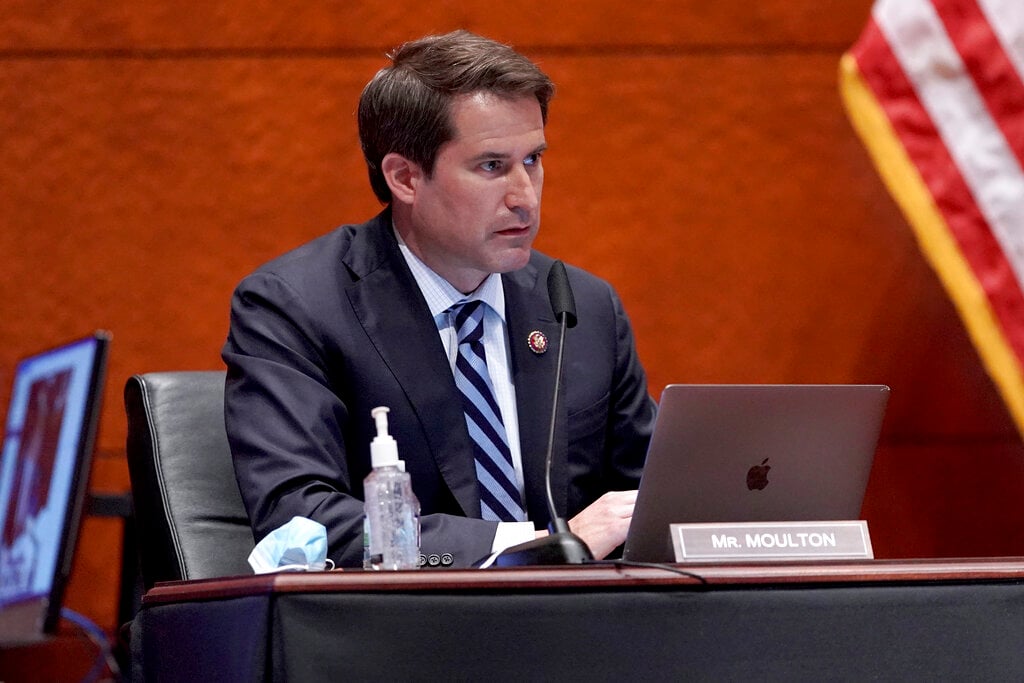
In a letter sent Tuesday to CFTC Chair Michael Selig, seven lawmakers questioned the agency’s handling of offshore platforms offering contracts on events such as U.S. military actions and foreign political developments. The effort, led by Reps. Seth Moulton (D-MA) and Jim McGovern (D-MA), comes amid mounting scrutiny of prediction markets from other lawmakers in Washington DC and across the country.
“There is something deeply sick about turning war into a gambling opportunity. We’re talking about people betting on bombings, bloodshed, and military action as if human lives are just numbers on a screen,” McGovern said in a press release. “These are not harmless wagers. They raise serious moral and legal concerns, especially when people may be trading on inside information about U.S. military operations.
“The CFTC needs to enforce the law and bring real oversight to these markets.”
Lawmakers highlight risks
Lawmakers argued that recent trades on offshore platforms such as Polymarket raise concerns about potential insider trading tied to nonpublic government information.
They cited instances in which traders appeared to profit by correctly anticipating U.S. military actions in Iran and Venezuela. Such activity, the lawmakers said, suggests that prediction markets could be vulnerable to misuse by individuals with access to sensitive information.
The group also highlighted contracts that allowed users to wager on whether U.S. service members would be rescued following a military incident. While those markets were eventually pulled from Polymarket, lawmakers said their existence underscores the need for stronger regulatory oversight.
CFTC authority over offshore prediction markets
Under the Commodity Exchange Act, the agency can regulate swap activities conducted outside the United States if they have a “direct and significant” effect on U.S. commerce. The lawmakers argued that this provision should apply to offshore prediction markets offering contracts tied to U.S. government actions.
They pointed to existing CFTC rules that prohibit contracts involving terrorism, assassination, and war, asserting that these restrictions should be enforced more aggressively.
The letter distinguishes between offshore platforms and U.S.-regulated exchanges such as Kalshi.
Prediction markets face growing scrutiny
The inquiry is the latest sign of escalating pressure on prediction markets as their scope expands beyond politics into sports and global events. Lawmakers in both chambers of Congress have introduced bills aimed at tightening oversight, with some proposals seeking to prohibit certain categories of event contracts altogether.
The letter describes the sector as a regulatory “Wild West,” citing concerns over insider trading, ethical boundaries, and jurisdictional ambiguity between federal regulators and state gaming authorities.
In addition to enforcement questions, the lawmakers asked the CFTC whether it is aware of any potential conflicts of interest involving major market participants and government officials. The group requested a formal response from the agency by April 15.