Texas Rep. Charlie Geren filed a joint resolution Monday that would let voters decide whether to legalize casino gaming and sports betting in the state.
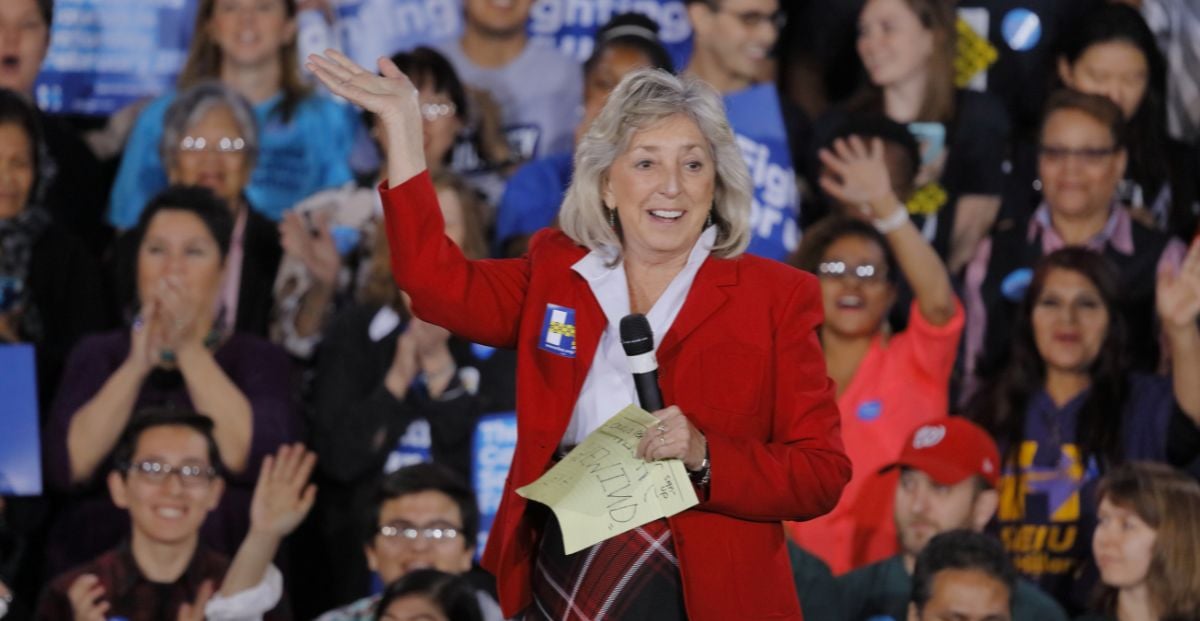
Geren, a Republican, filed House Joint Resolution 52 on the first day of bill filing for the 2027 session. The filing comes a week after Democrat Vikki Goodwin unseated Lt. Gov. Dan Patrick, the longtime roadblock to gambling expansion in the Senate. Goodwin, who will preside over the Senate starting in January, has said she’s open to letting Texans decide the fate of casinos and sports betting.
The resolution would require licensing for operators and cap the tax on gaming revenue at 15%. If two‑thirds of both chambers approve it, the measure would go before voters on Nov. 2, 2027.
“If they say ‘no,’ then we’re done with it forever,” Geren told the Fort Worth Star‑Telegram.
What HJR 52 would do
The resolution would add a new subsection to Section 47, Article III of the Texas Constitution, letting the Legislature authorize and strictly regulate casino gaming and sports wagering. It would not legalize either on its own. At a minimum, the law must:
- Define what counts as casino gaming and sports wagering.
- Require licenses and application fees for casino and sports wagering operators.
- Determine where casinos may be located and where sports wagering may be conducted.
- Limit casino gaming to onsite play at a licensed operator’s physical premises.
The last provision would rule out online casinos out of Texas under the amendment. The resolution does not place the same restriction on sports wagering, leaving lawmakers to decide where betting can take place, including whether to allow mobile wagering.
HJR 52 would cap the number of casinos at 10, with initial license terms of at least 40 years. Beyond the 15% cap on gaming revenue tax, the state and local governments could not impose additional taxes or fees on a license holder’s gaming or other revenue, other than taxes that apply to all businesses.
The resolution would also require the state to set up a process to negotiate compacts for Class III gaming, which includes slots and table games, with the three federally recognized tribes on their existing lands. Negotiations would begin at a tribe’s request.
Gaming expansion building momentum
Patrick has staunchly opposed gambling expansion in Texas, and the resistance extended beyond the Senate. In 2025, a dozen Texas House Republicans said they would oppose any gambling bill, calling them “dead on arrival.” Democrats now control the House.
Goodwin has framed legalization as a revenue issue. On her campaign website, she wrote that Texas “is losing out on potential revenue and economic activity” to neighboring states.
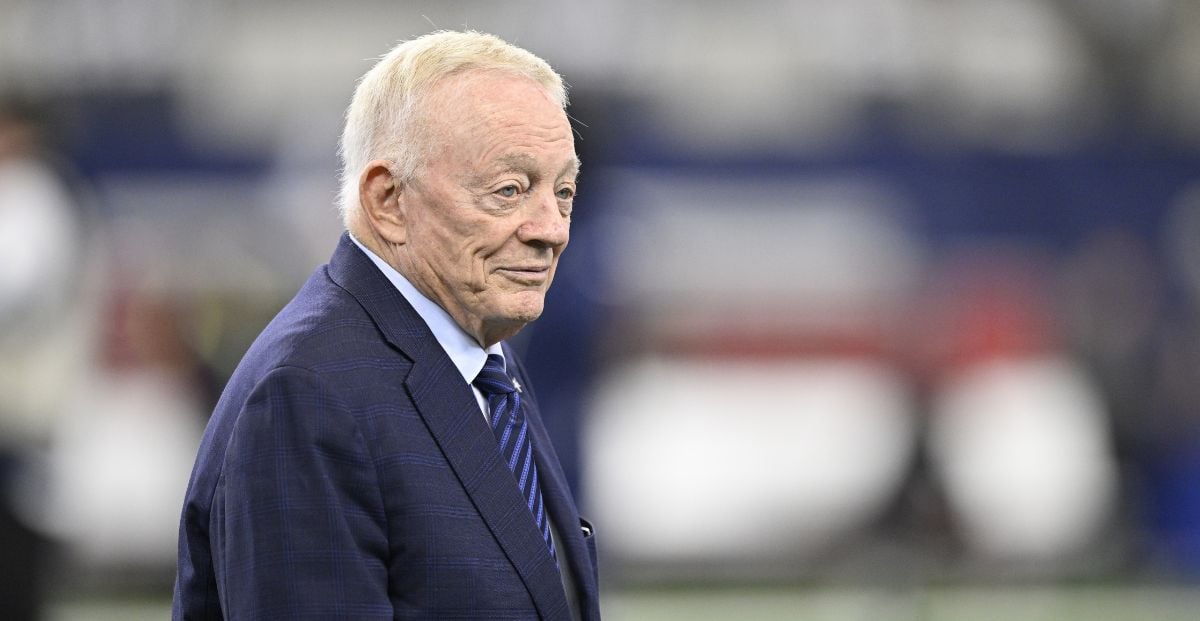
Dallas Cowboys owner Jerry Jones made a similar case in 2024, saying the state was losing huge amounts of revenue, according to the San Antonio Express‑News. Last week, he renewed his support during his weekly segment on 105.3 The Fan in Dallas.
“It is a plus in my mind with the best place in the world for sports, Texas, for us to have the gaming and hopefully the new turnover, you might say, in the politics will see it that way,” Jones said.
Republicans still hold the Senate, and the resolution needs two‑thirds support there to reach voters.