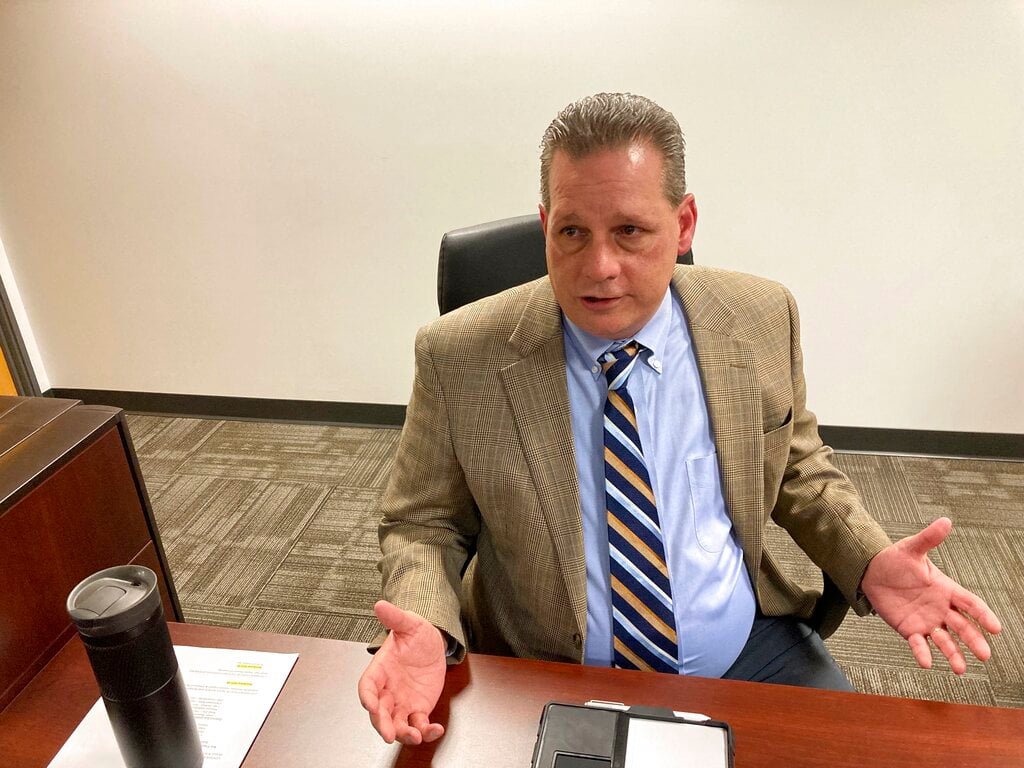
One of the key regulators who helped shape U.S. sports betting advertising policies is retiring at the end of the month.
Ohio Casino Control Commission Executive Director Matthew Schuler, who helped oversee the launch of legal online sports betting in the state, was honored Wednesday by both the regulator and in the state Senate.
Schuler helped lead the OCCC through the launch of online sports betting in Ohio, including crafting rules that banned sportsbooks from using the words “free” or “risk-free” when a promotion required a bettor to deposit their own money.
Andromeda Morrison, the regulator’s deputy executive director and general counsel, will take over as interim executive director on June 1, according to Gambling Insider.
Ohio was key to US sports betting ad changes
By the time the state launched sports betting on New Year’s Day 2023, most sportsbooks had shifted from state-by-state advertising to national campaigns.
They knew for months that language routinely used in other states would not be allowed in Ohio, regardless of whether an ad was part of a national campaign. The OCCC fined BetMGM, Caesars, and DraftKings just days after launch for violating those rules.
“If something is claiming to be free or risk-free, then it has to absolutely not require the patron to incur any loss or risk their own money,” Schuler told the Washington Post ahead of the Ohio sports betting launch.
“We are not supportive of trying to put the truth in small print.”
Schuler said other state regulators told him they wished they had adopted similar rules for their own betting markets.
Other notable actions by Schuler
Ohio was also one of the first states to ban college player prop bets at the request of NCAA President Charlie Baker.
The ban came less than a month after Baker made that request in January 2024. Eight of the state’s operators objected, but Schuler moved ahead anyway after data showed just 1.35% of Ohio sports betting handle in 2023 was tied to those bets.
Schuler and the OCCC were also one of the first regulators to take a swing at Kalshi and prediction markets. The regulator issued a $5 million fine against Kalshi in April for offering sports prediction markets.
Kalshi sued Ohio last October after the OCCC sent a cease-and-desist for offering unregulated sports betting in the state.