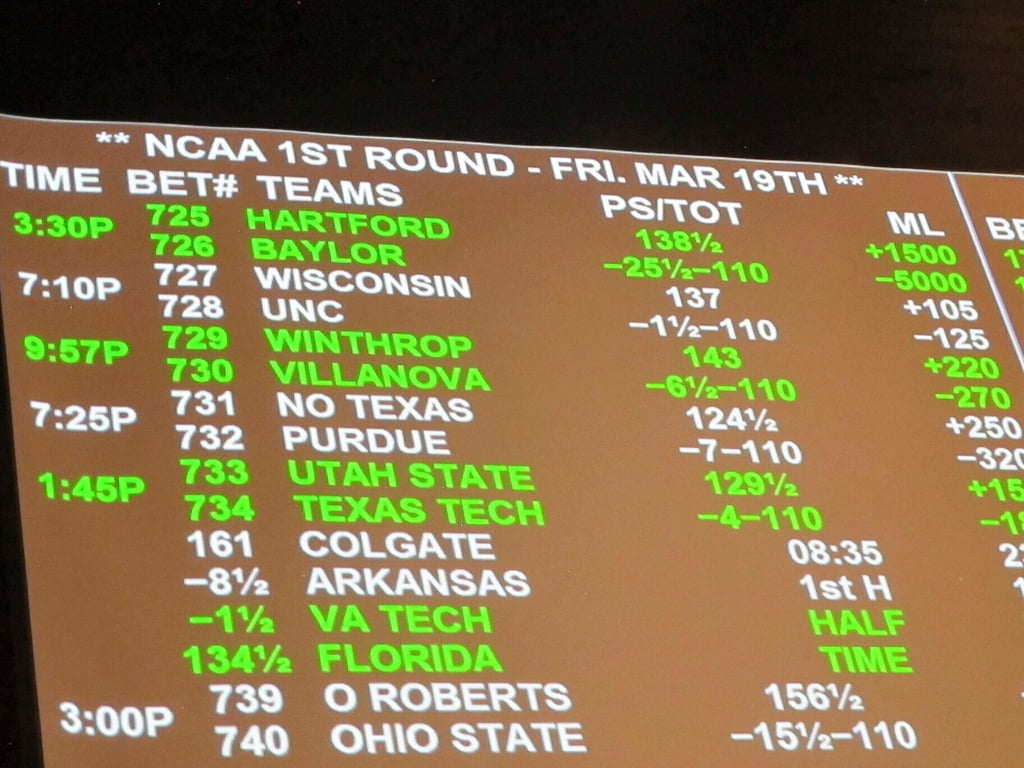
A federal proposal aims to curb the expansion of sports predictions by prohibiting federally regulated exchanges from listing event contracts tied to athletic competitions.
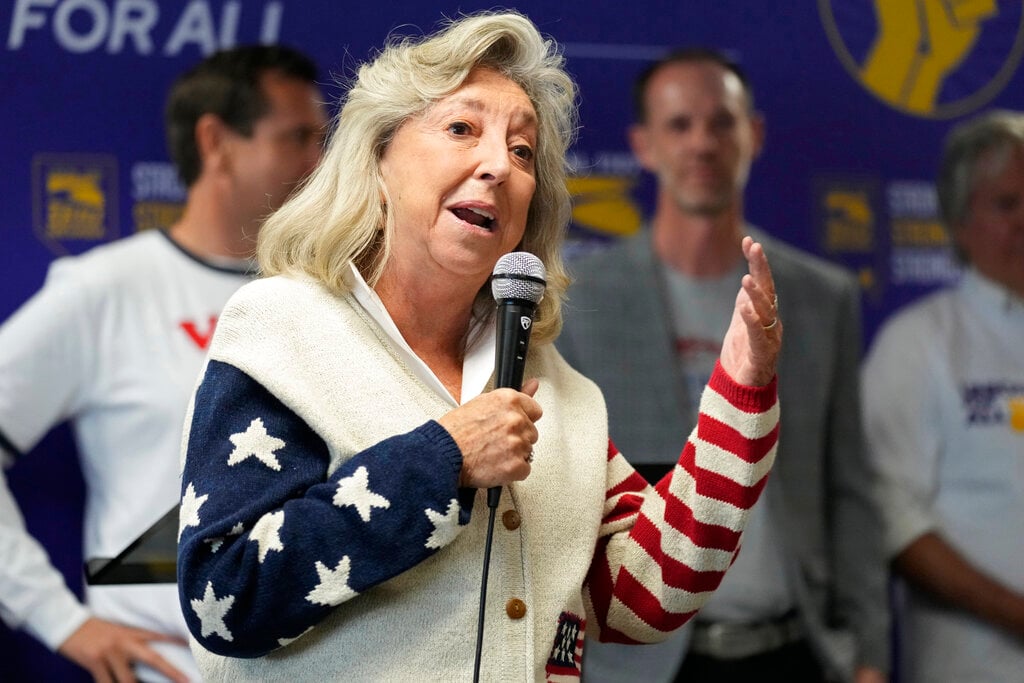
Rep. Dina Titus (D-NV) introduced the Fair Markets and Sports Integrity Act on Tuesday, a bill that would amend the Commodity Exchange Act to bar registered entities from offering contracts involving sporting events or casino-style gaming outcomes. The bill awaits consideration in the House Agriculture Committee.
Sen. Richard Blumenthal is expected to introduce similar legislation in the Senate.
The measure targets what both lawmakers describe as a regulatory loophole allowing platforms to structure sports wagering as financial event contracts rather than state-regulated bets.
“These prediction markets are rapidly expanding around the world without the same guardrails that apply to licensed, regulated gaming operators,” Titus said in a press release. “Consumers deserve transparency, accountability, and protections against predatory practices.”
Sports predictions surge in year 1
Prediction markets have grown rapidly since expanding into sports roughly a year ago.
Platforms like Kalshi have shifted from niche political forecasting venues into high-volume sports exchanges. Since launching sports contracts a year ago, Kalshi’s trading volume has risen more than 1,971.5% to $37.3 billion, with over 86.7% tied to sports markets.
The expansion marks a sharp shift from the sector’s roots in political and economic forecasting, which combined for less than 5% of platform volume in the past year.
FanDuel, DraftKings and Fanatics have launched or explored prediction market products as the sector develops with little regulatory oversight.
Nevada enforcement fight escalates
Nevada regulators were among the first of nine states to challenge prediction market operators, arguing the contracts function as unlicensed sports wagering.
States have largely contended sports wagering authority rests with them following the Supreme Court’s repeal of PASPA, and that event contracts tied to game outcomes fall within that jurisdiction, not federal derivatives oversight.
Unlike sportsbooks, which must obtain state licenses, pay gaming taxes and implement responsible gambling controls, federally regulated exchanges operate under derivatives rules enforced by the Commodity Futures Trading Commission. Last week, the CFTC withdrew its memos against sports contracts.
Lawmakers have also questioned whether the CFTC, whose mandate centers on financial derivatives markets, is equipped to oversee nationwide sports wagering activity. Integrity concerns have also surfaced around insider trading risks tied to event outcomes, an issue federal regulators are evaluating as part of broader rulemaking discussions.
Sports prediction markets get CFTC backing
Under recently appointed Chair Michael Selig, the agency has begun signaling a more active approach.
Selig has moved to withdraw prior prohibitions on certain event contracts and announced plans to craft a tailored regulatory framework.
The agency is also expected to defend the legality of prediction markets in ongoing federal court disputes with states, muddying up even further the multi-jurisdictional test that could shape how event contracts are regulated nationwide.