Kentucky is the latest state to see a lawsuit from prediction markets operators, this time over the a new tax.
The Coalition for Fair Markets filed a lawsuit against Kentucky, arguing against the recently passed 14.25% tax on prediction markets transaction fees. The coalition is made up of Kalshi, Polymarket, Crypto.com and Robinhood.
Kentucky is just one of several states to pass laws attempting to regulate prediction markets. Operators and the Commodity Futures Trading Commission have also sued state gaming regulators for attempting to regulate the industry.
Kentucky ready to battle
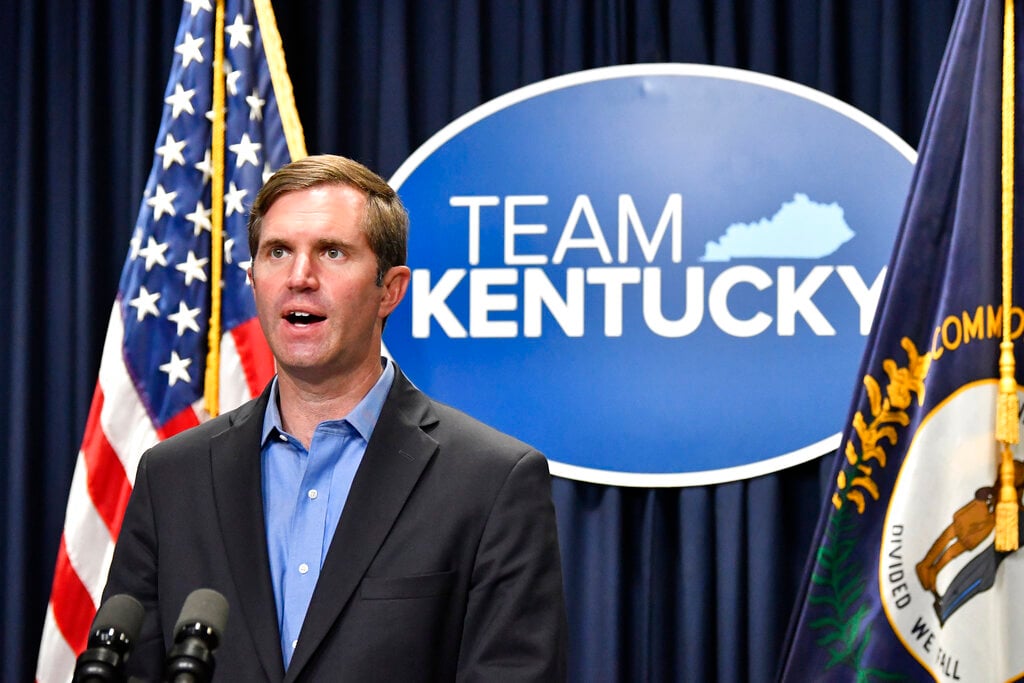
The Kentucky Legislature passed a package of bill this spring to create the tax and create other regulations for the existing gambling industry. Gov. Andy Beshear vetoed the bill, but the state legislature ultimately overrode the veto.
The coalition argues the tax is discriminatory and preempted by federal law and the CFTC’s oversight.
Kentucky Atty. Gen Russell Coleman said they will fight the challenge.
“You can bet our Office will defend these statutes and the people of our Commonwealth from out-of-state companies that seek to cancel Kentucky’s sports betting laws,” Coleman said, per the Associated Press. “In any courtroom, the attorneys with the AG’s Office are the odds-on favorite to win.”
Coalition complains rate is unfair
The complaint argues Kentucky is looking to skirt federal jurisdiction under the guise of a tax.
It also notes the difference between the 14.25% tax and the 9.75% tax on the state’s horse racing industry.
“By the Commonwealth’s reasoning, federally regulated prediction markets are akin to gambling,” the complaint says. “Yet, here, Kentucky’s tax sets a higher rate on prediction markets than for the Commonwealth’s favored incumbent industry.”
Other state laws on prediction markets
This month, Illinois lawmakers passed a budget that includes taxes on prediction market operators. The CFTC had already filed a complaint against Illinois in federal circuit court attempting to assert its jurisdiction.
The Illinois Gaming Board had sent cease-and-desist letters to exchanges.
In May, Minnesota became the first state to pass a law banning prediction markets.
In response, The Trump administration sued the state attempting to further assert the regulatory jurisdiction of the CFTC.
There are at least two dozen lawsuits involving prediction market operators, the CFTC, states and tribes regarding the legality of prediction markets.