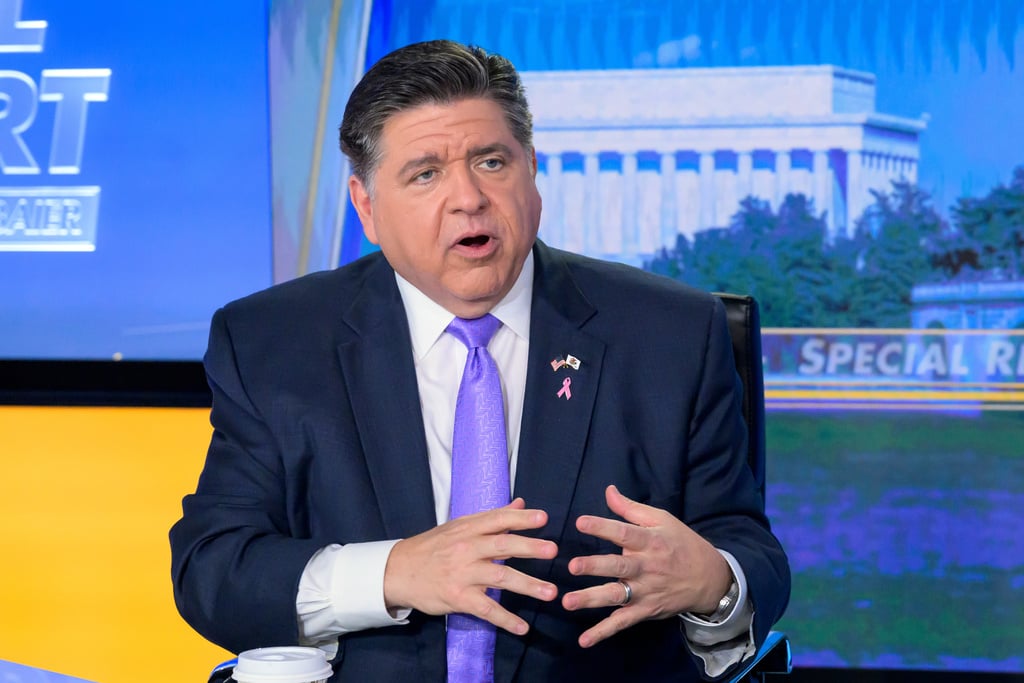
Illinois lawmakers passed a $56 billion budget, complete with new taxes on fantasy sports and prediction markets starting July 1.
Lawmakers passed the fiscal year 2027 budget Monday, coming in just shy of Gov. JB Pritzker’s proposed budget from February. It is the largest budget in the history of Illinois and includes most of Pritzker’s tax and revenue proposals.
“Every element of the budget for the upcoming fiscal year was thoroughly deliberated with the aim of achieving widespread affordability for all Illinoisans,” Pritzker said in a release. “It builds upon seven years of fiscal discipline and efforts to make our state competitive in national and international industries. I look forward to signing the FY27 budget and delivering for Illinois’ working families in all stages of life – whether they are seeking tuition assistance to attend community college, preparing to enter the workforce, hoping to buy their first home, or requiring medical debt relief after receiving health care.”
The package includes HB 111, HB 2949 and SB 3019.
Illinois fantasy sports framework
The budget expects to generate $65 million in new tax revenue from digital asset sales and fantasy sports. Most of that revenue would come from the digital assets.
Still, the budget calls for a new two-year licensing structure for fantasy sports operators in Illinois. Operators with fewer than 7,500 customers will pay $500 for a license, while an operator with more will pay $1,500.
It will tax gross fantasy contest receipts at 15%. That projects to generate $5 million in fiscal 2027.
New prediction markets taxes
While the new fiscal year may start in July, tax payments from prediction markets will likely be on hold.
The budget pulls prediction markets under the Sports Wagering Act’s tax structure by amending the language to include “exchange wager.” It looks to require operators to secure a license with the Illinois Gaming Board.
It creates an exchange wager tax of 1.75% per transaction, increasing to 3.5% after a licensee goes past five million exchange wagers.
Can states tax prediction markets?
Whether the prediction markets will pay the state taxes remains to be seen.
Prediction markets are battling states across the country in court, arguing they are federally regulated and do not have to comply with state laws and regulations. The final call will likely be made by the Supreme Court. Having a law on the books ready to tax operators will make it easier to flip that switch if that is how the Supreme Court rules.
That includes Illinois, where the IGB sent cease-and-desist letters to Kalshi, Crypto.com and Robinhood last year. Last year, the regulator ordered the operators to stop offering sports event contracts.
The Commodities Futures Trading Commission sued Illinois this spring to protect its federal jurisdiction over prediction markets.
Kalshi pushes back on $1B lost
The American Gaming Association projects states have lost more than $1 billion in tax revenue since prediction markets began offering sports event contracts.
But a Kalshi spokesperson pushed back against that projection in comments to RotoWire.
“This is fake math from casinos, who are worried about losing their monopoly power,” Kalshi spokesperson Elisabeth Diana told the site. “Square that ‘math’ with the fact that the US gaming industry reached a record high last year – $78.7 billion in revenue.
“This is an industry that preys on people who lose. Of course they’re ok spreading lies. People are coming to prediction markets because they’re fairer, safer, and less predatory than casinos.”