The Kentucky sports betting market could change dramatically in the coming months, but not as much as previously thought.
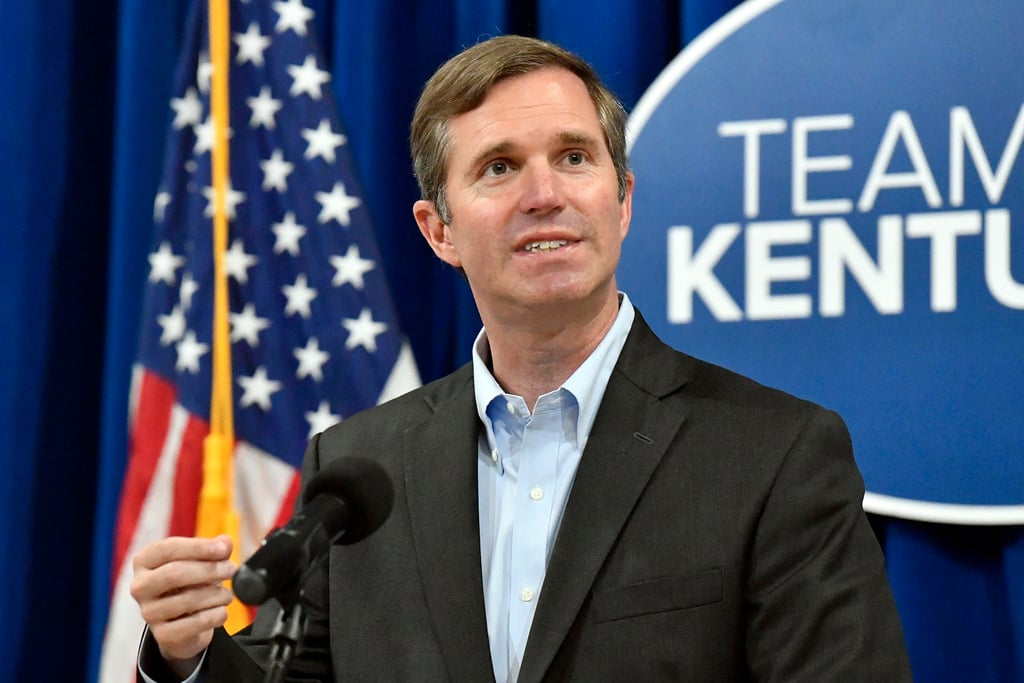
Kentucky lawmakers passed House Bill 904 Wednesday, sending the legislation to Gov. Andy Beshear. This week’s passage, however, changed the language that was likely to push multiple major Kentucky sportsbooks out of the market.
On Wednesday, the Senate passed the bill with a committee substitute, 24-13, and the House subsequently concurred, 64-19, after originally passing the legislation last month.
While the bill makes multiple changes to Kentucky’s sports betting industry, it also draws a line in the sand about sports betting operators and prediction markets. As it was passed, sportsbook operators cannot operate prediction markets in Kentucky. Previously, the language was the operators cannot operate prediction markets anywhere.
Strict Kentucky prediction market rules
Rep. Michael Meredith introduced the bill to shore up the sports betting rules in Kentucky. That includes stricter rules against prediction markets.
“We also say that if you are a licensee under the bill through sports wagering, a horse racing track or a fantasy sports operator, for the next year you can’t operate a prediction market in Kentucky,” Meredith said during the House’s initial vote.
“After [July 1, 2027], you’re not allowed to be involved with or in business as a prediction market operator anywhere else in the country if you’re licensed under one of our licensee structures here.”
Did Kentucky sportsbooks alter thoughts?
Passage of the bill’s original language could have meant operators with prediction markets, like DraftKings, Fanatics and FanDuel, would leave Kentucky sports betting rather than giving up the growing prediction market business. The three operators submitted joint testimony to the legislature.
“We are concerned that this legislation may have significant consequences that could materially disrupt the Commonwealth’s successful sports wagering market,” the letter reads.
“As currently drafted, section 20 would gut the regulated sports betting market and force the exit of most, if not all, existing regulated operators from the Commonwealth. This would cost the state more than $40 million in tax revenue every year – money that goes to fund teacher pensions, among others. Kentucky adults would also lose the freedom to use a popular form of entertainment on their preferred regulated sportsbook.”
Now, the sportsbook operators might simply shut down prediction markets in Kentucky, according to a FanDuel representative. However, the representative did note they do not offer sports markets in Kentucky.
Kentucky sports betting tax implications
The change in language is a good thing for the commonwealth’s coffers. Those three sportsbooks leaving Kentucky would have led to a drastic loss of tax revenue.
Since launching in September 2023, nine Kentucky sportsbooks have taken more than $6.6 billion in bets, generating $724.8 million in operator revenue which sent $103.2 million in taxes to the commonwealth.
Of those taxes paid, DraftKings and FanDuel have accounted for $81.2 million, or nearly 80% of those taxes. Fanatics added another $3.3 million.
Other adjusted Kentucky sports betting rules
Meredith’s bill also establishes multiple rule adjustments in the sports betting market. Those changes include:
- Raises betting age to 21 from 18.
- Restricts in-state collegiate athlete prop bets.
- Authorizes fixed-odds wagering on horse racing.
- Sets up fantasy sports regulations.
Kentucky DFS regulations
Meredith’s legislation sets up new rules for daily fantasy sports in Kentucky.
The commonwealth would tax the industry at 12.5%. It would also require at least two participants, which would end against the house contests in the market.
Operators would need to pay an initial license fee of $7,500 if they are already a licensed sportsbook, or $15,000 for a new license.